Learn

The planets

On the nights the aurora is not coming, there is still plenty up there. This is what each planet is, and more usefully, what you can actually see of it from a garden in the UK and what you need to see it with.
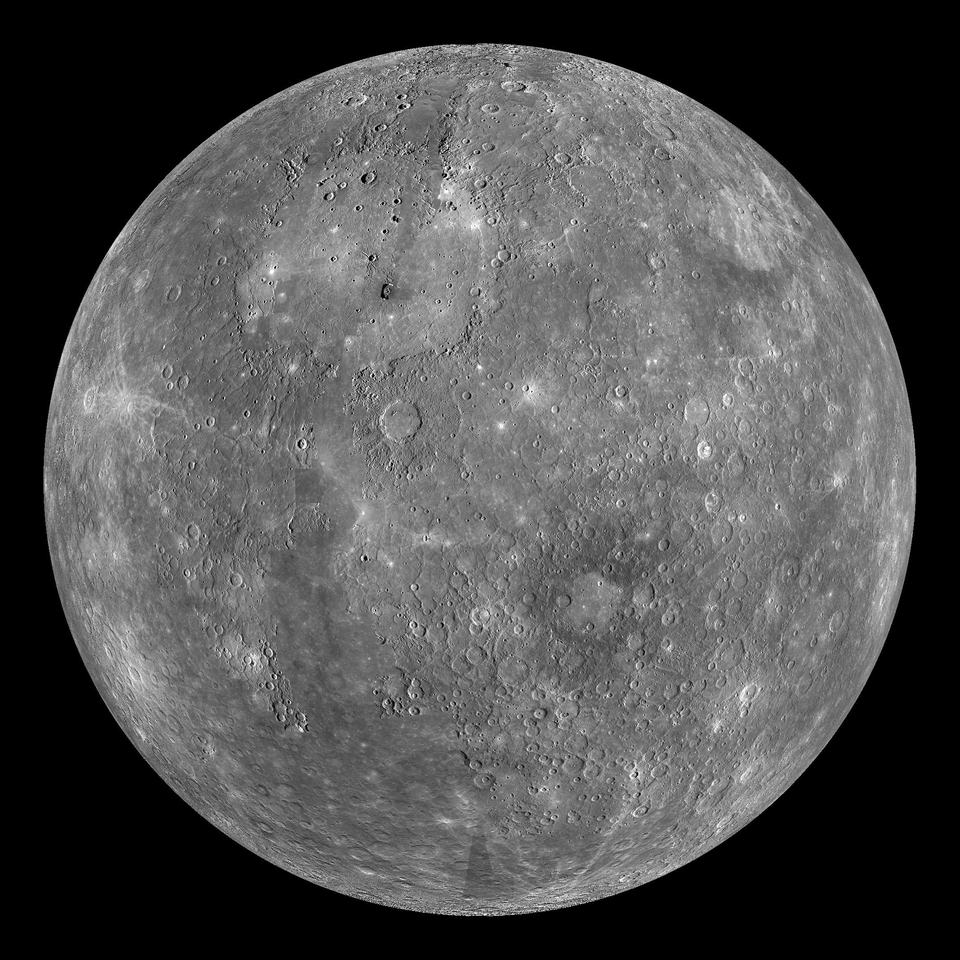
Mercury photographed by the MESSENGER spacecraft, a grey heavily cratered globe that looks strikingly like the Moon.

Mercury

The hardest of the bright planets to catch, because it never strays far from the Sun.

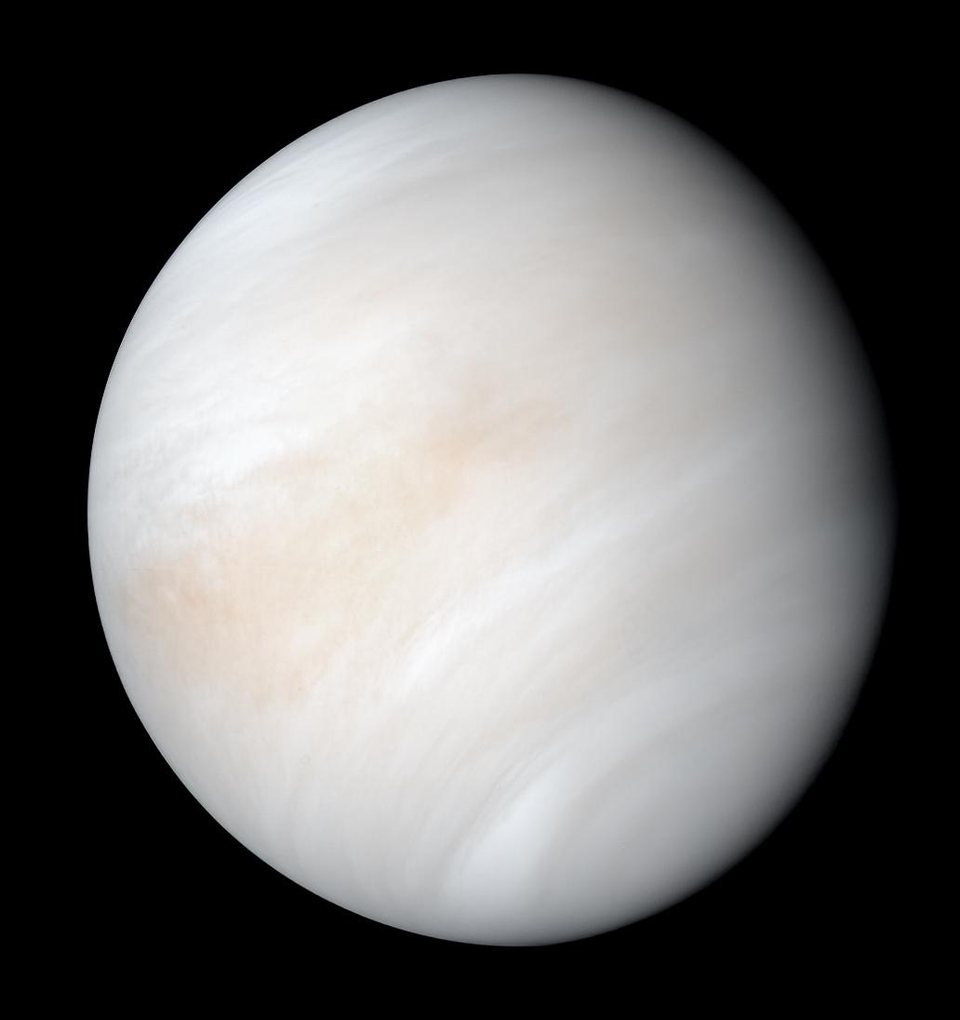
Venus photographed by the Mariner 10 spacecraft, a featureless cream coloured globe wrapped in unbroken cloud.

Venus

The brightest thing in the sky after the Sun and Moon, and the one people report as a UFO.

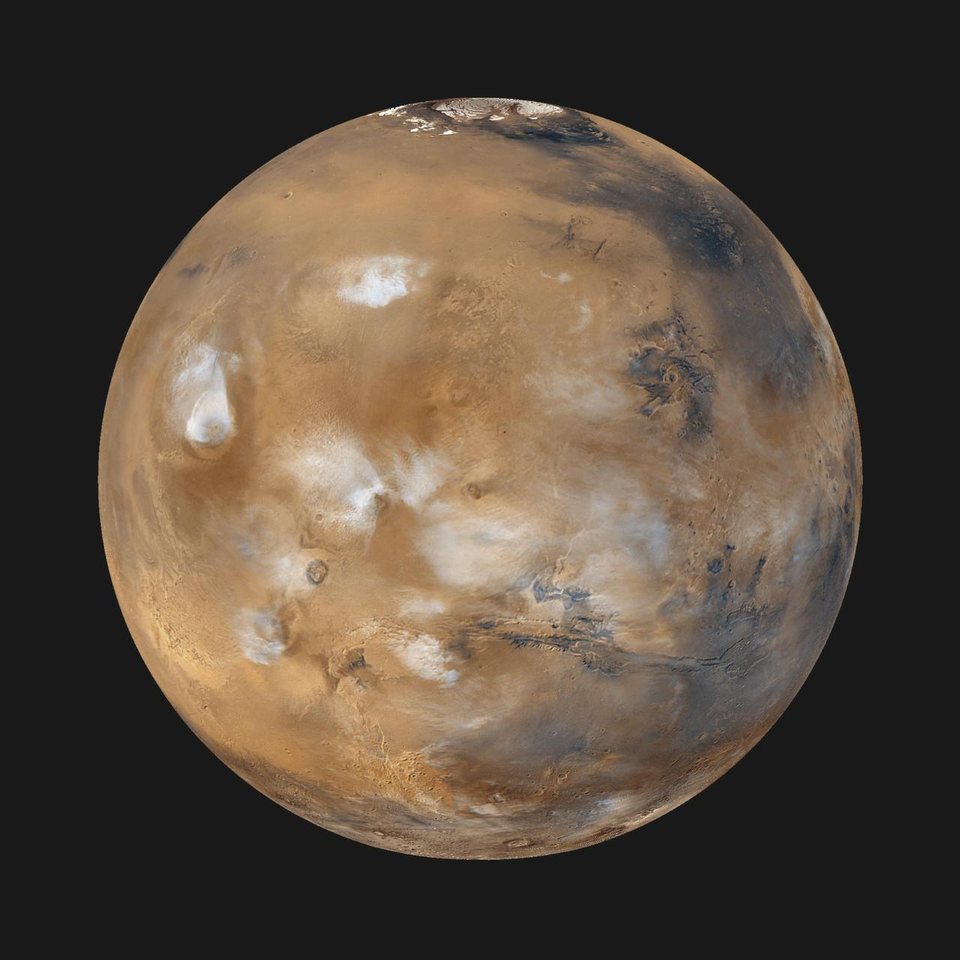
Mars photographed from orbit, a rust coloured globe with a bright white polar cap and dark markings across its surface.

Mars

Genuinely red to the naked eye, and the only planet whose surface you can see from a back garden.

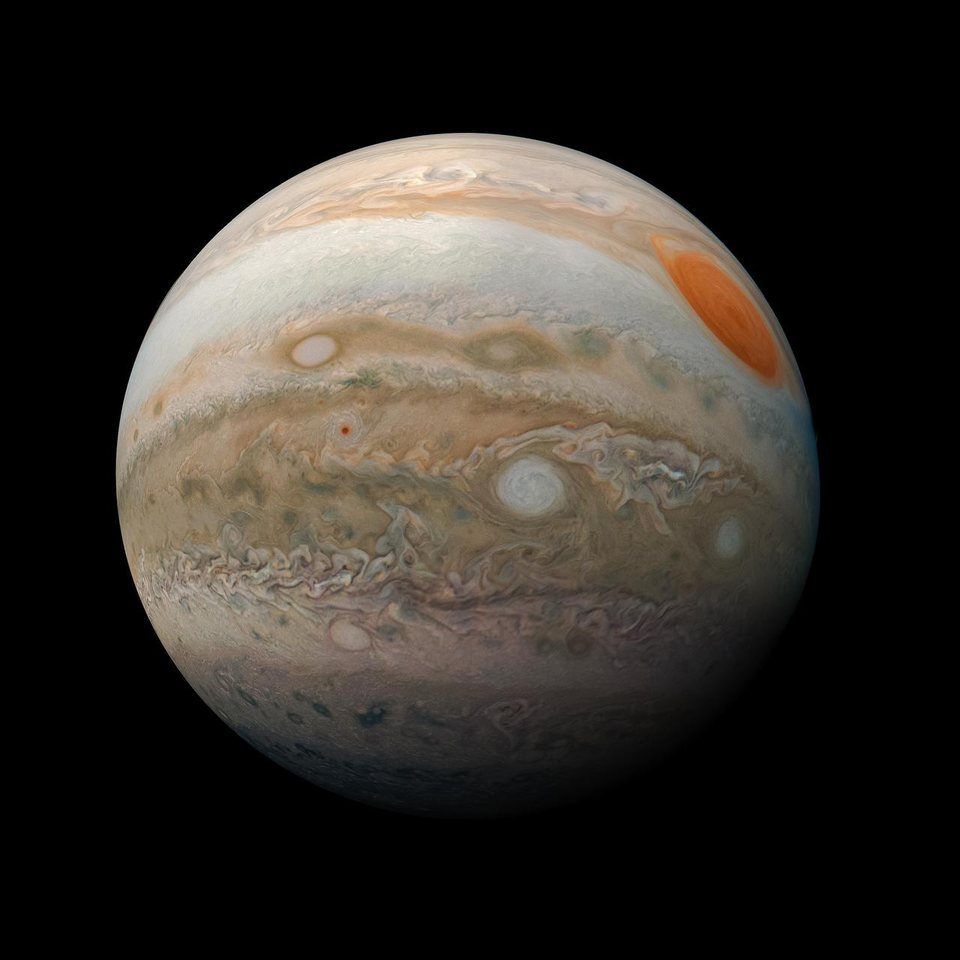
Jupiter photographed by the Juno spacecraft, showing banded cloud in cream and orange with the Great Red Spot near the edge.

Jupiter

Big enough to hold every other planet inside it, and the best first target for a new telescope.

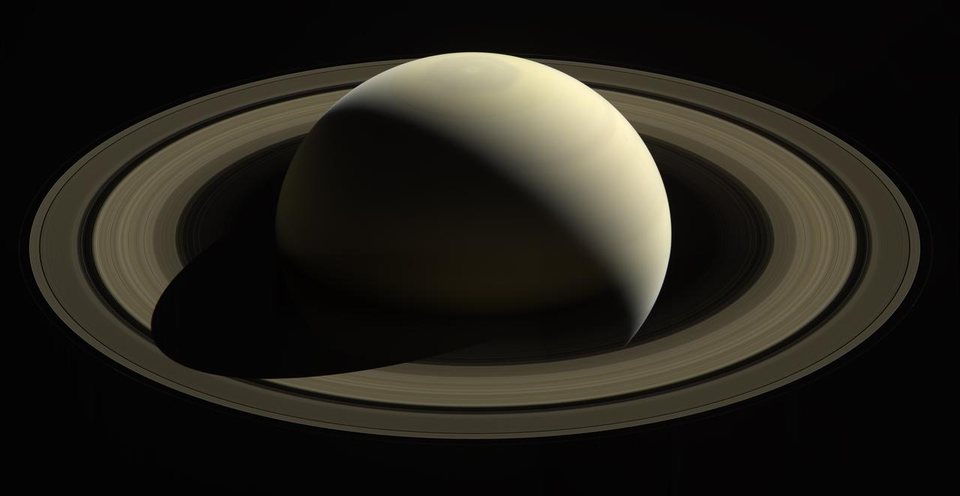
Saturn photographed by the Cassini spacecraft, the pale gold globe lit from one side and casting a shadow across its rings.

Saturn

The one everybody wants to see through a telescope, and the one that never disappoints.

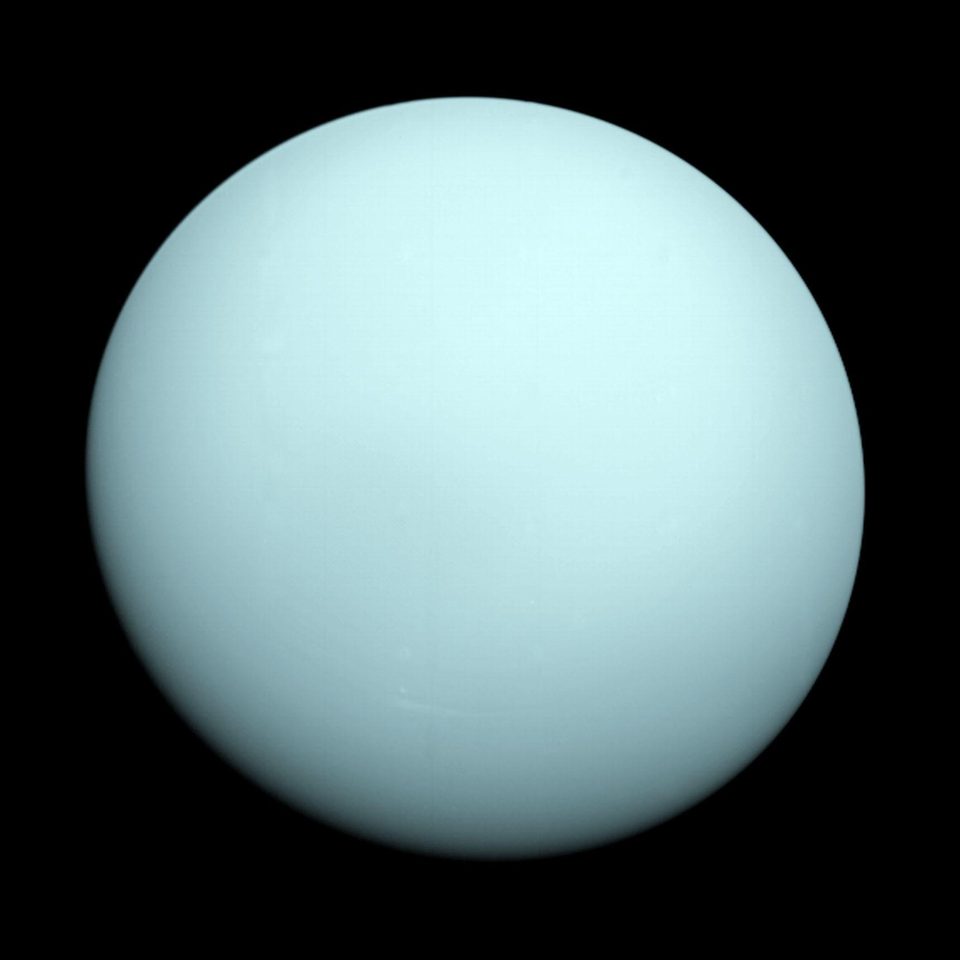
Uranus photographed by Voyager 2, an almost featureless pale blue green globe with no visible markings.

Uranus

Tipped over on its side, and just about visible with the naked eye if your sky is dark enough.

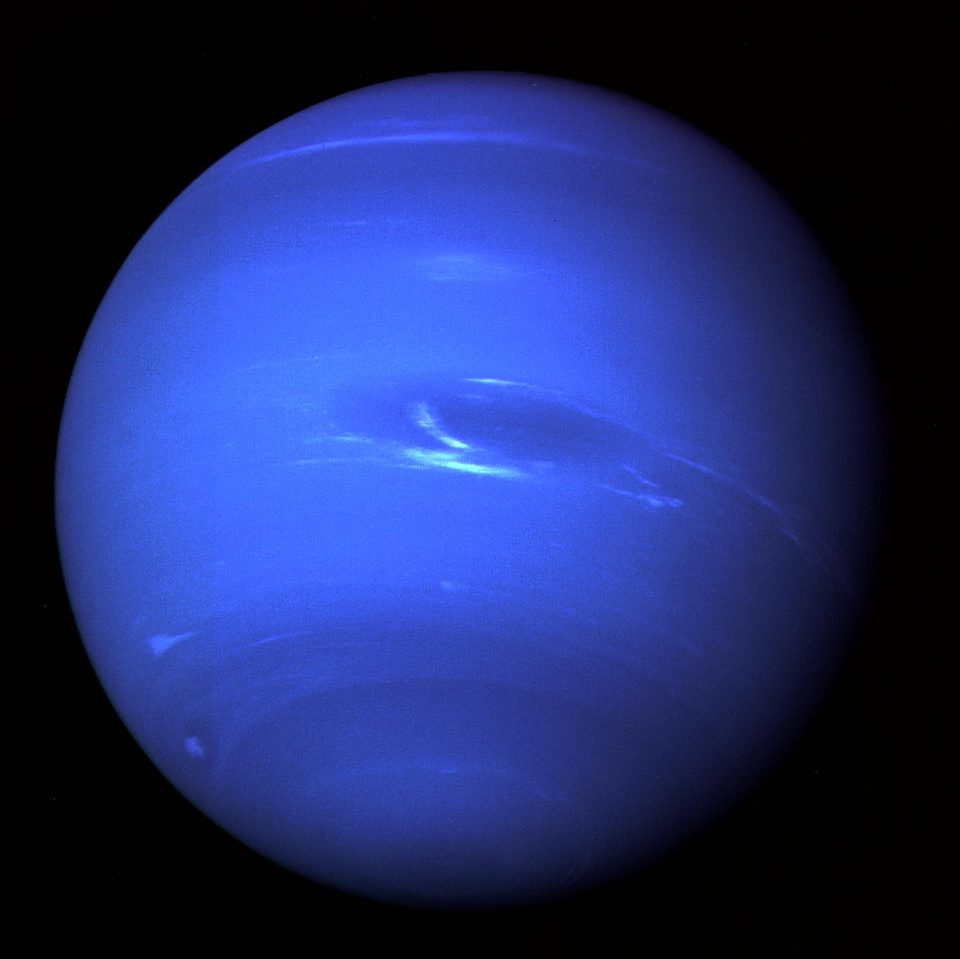
Neptune photographed by Voyager 2, a deep blue globe with white cloud streaks and the dark oval of the Great Dark Spot.

Neptune

The last planet, the windiest place in the solar system, and the only one found by mathematics first.

More planets are being added. Each one is written from scratch rather than copied, so they arrive a few at a time.