Learn

The cosmos

On the nights the aurora is not coming, there is still plenty up there. Every entry here starts with the same thing: what you can actually see of it from a garden in the UK, and what you need to see it with. The encyclopaedia part comes after that.

The planets

In order out from the Sun. Five of them are naked eye objects on the right night, and two of those look genuinely different through even a cheap telescope.
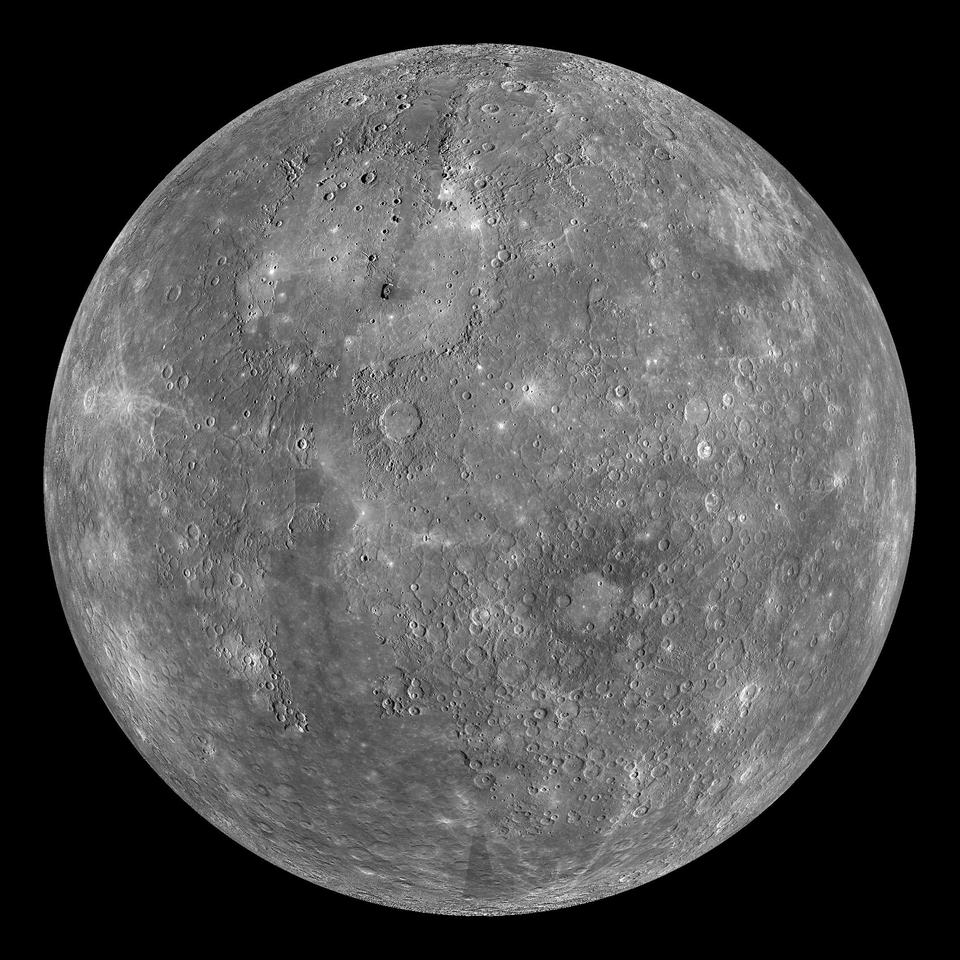
Mercury photographed by the MESSENGER spacecraft, a grey heavily cratered globe that looks strikingly like the Moon.

Mercury

The hardest of the bright planets to catch, because it never strays far from the Sun.

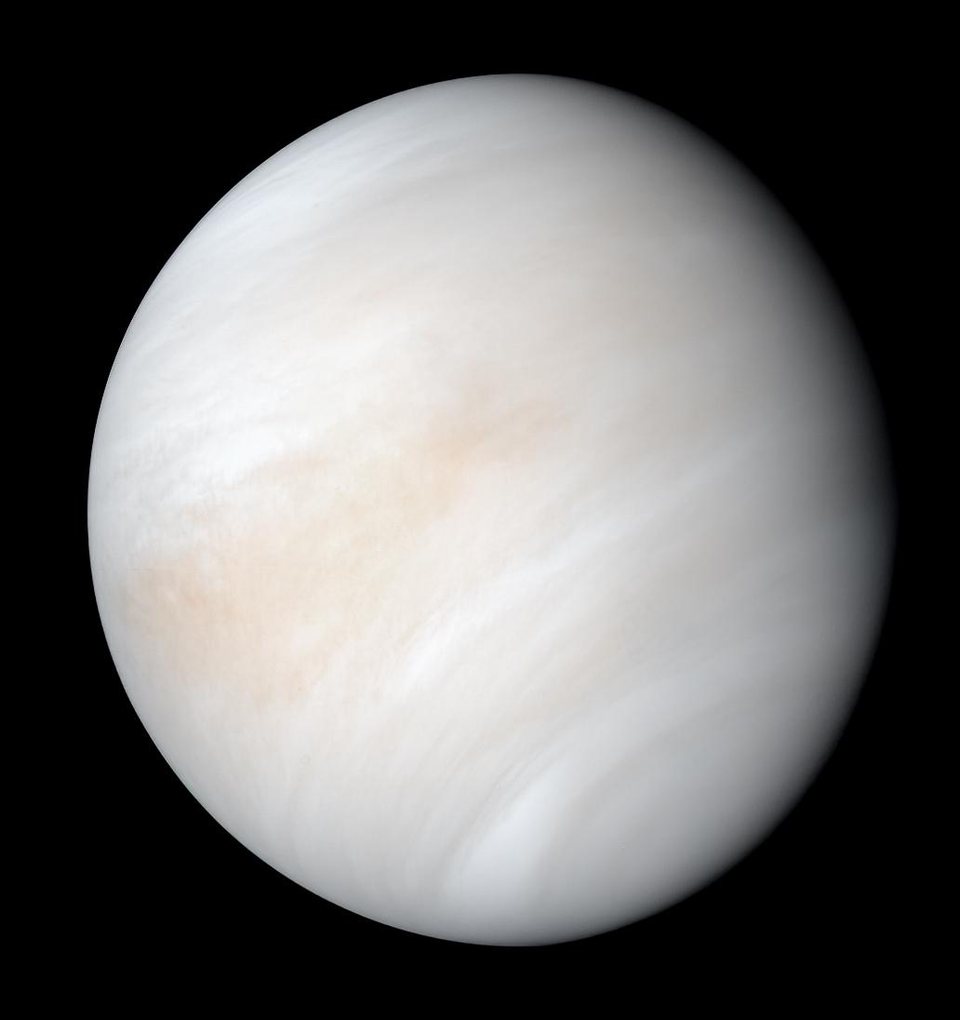
Venus photographed by the Mariner 10 spacecraft, a featureless cream coloured globe wrapped in unbroken cloud.

Venus

The brightest thing in the sky after the Sun and Moon, and the one people report as a UFO.

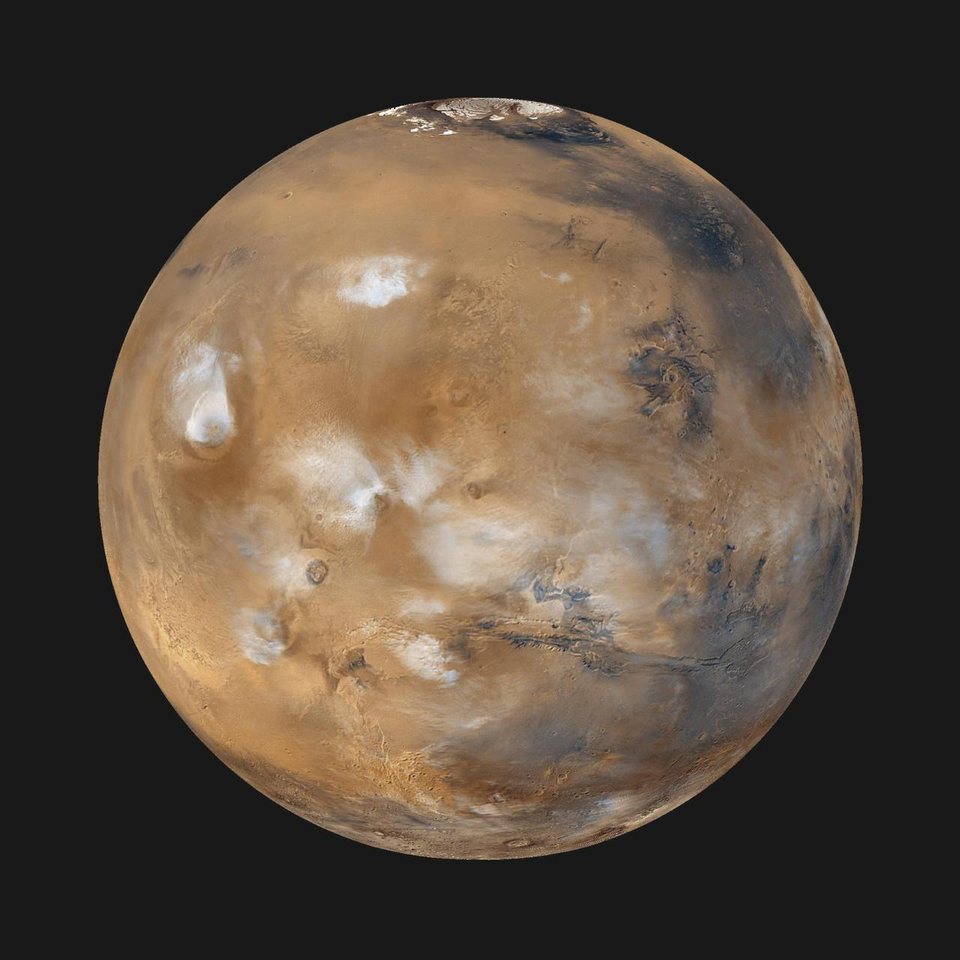
Mars photographed from orbit, a rust coloured globe with a bright white polar cap and dark markings across its surface.

Mars

Genuinely red to the naked eye, and the only planet whose surface you can see from a back garden.

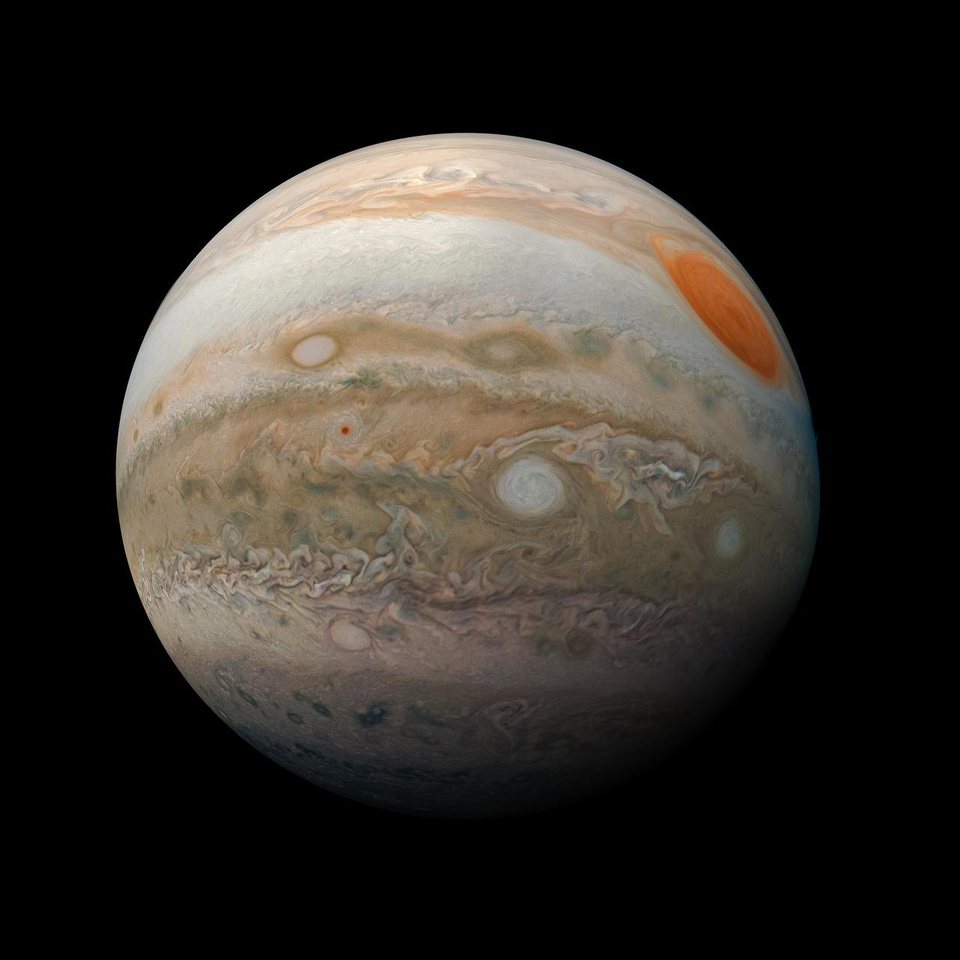
Jupiter photographed by the Juno spacecraft, showing banded cloud in cream and orange with the Great Red Spot near the edge.

Jupiter

Big enough to hold every other planet inside it, and the best first target for a new telescope.

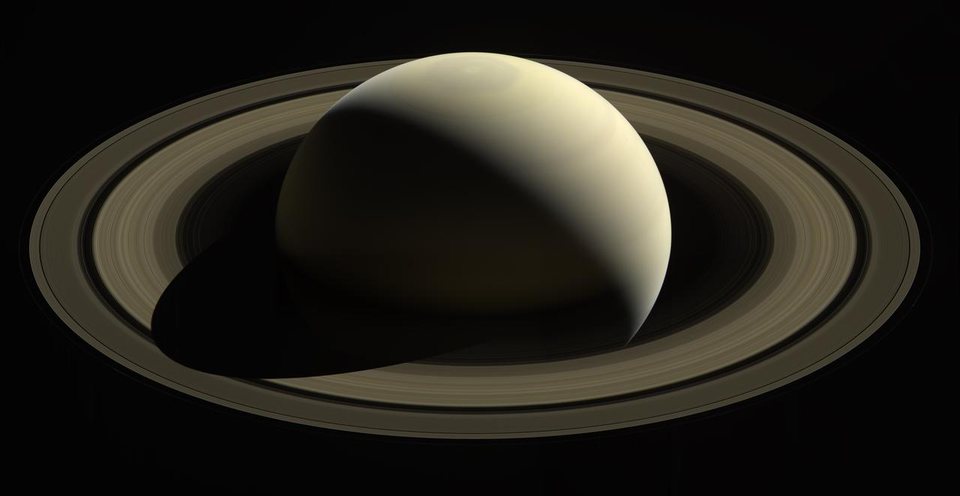
Saturn photographed by the Cassini spacecraft, the pale gold globe lit from one side and casting a shadow across its rings.

Saturn

The one everybody wants to see through a telescope, and the one that never disappoints.

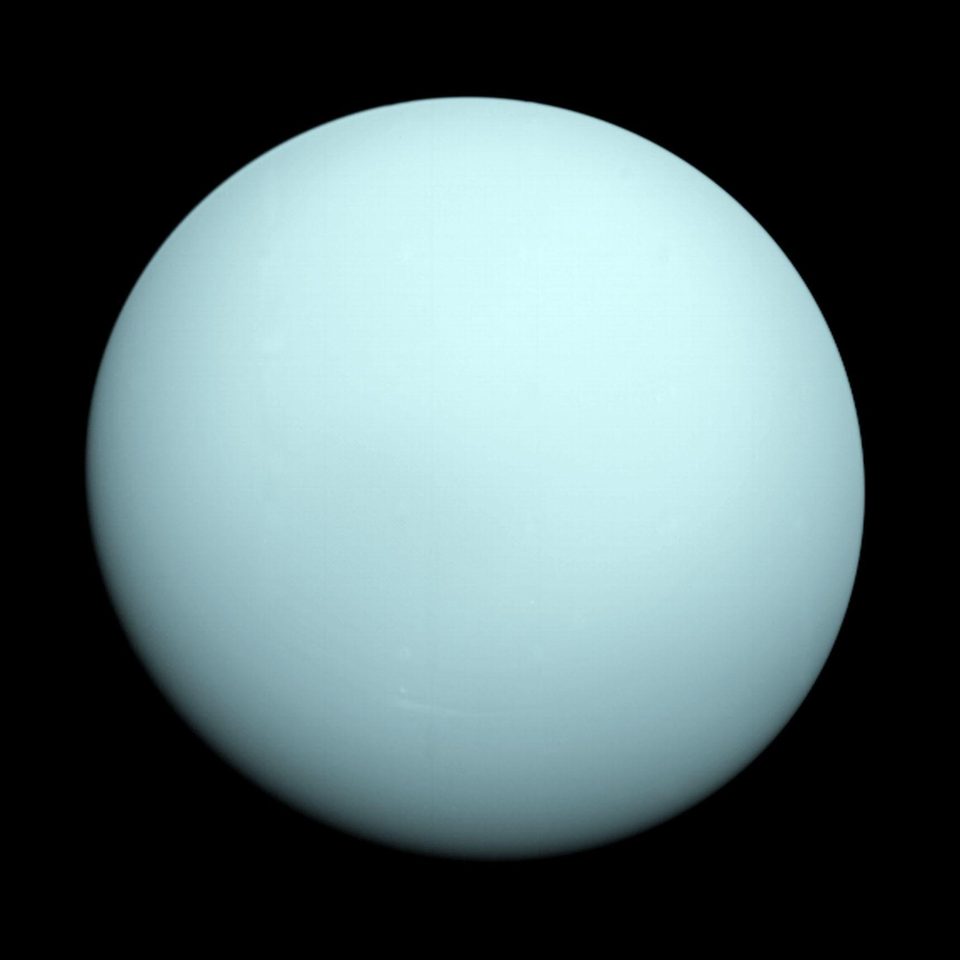
Uranus photographed by Voyager 2, an almost featureless pale blue green globe with no visible markings.

Uranus

Tipped over on its side, and just about visible with the naked eye if your sky is dark enough.

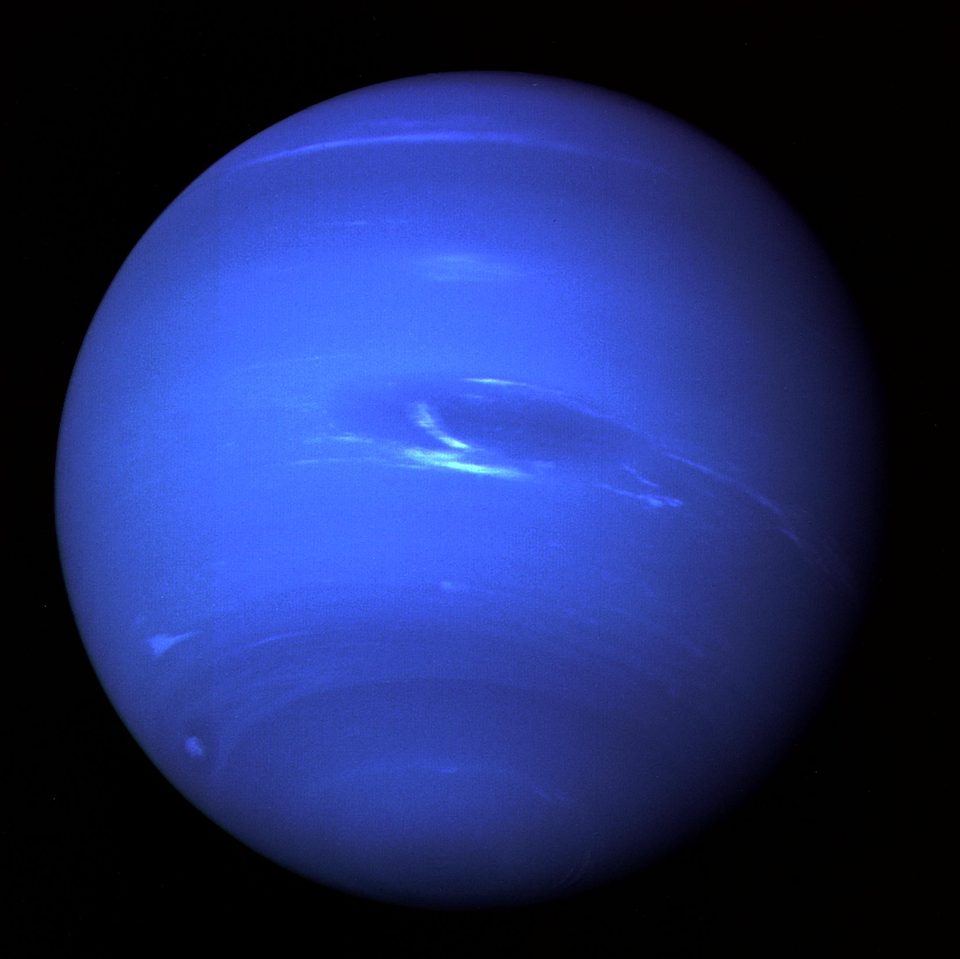
Neptune photographed by Voyager 2, a deep blue globe with white cloud streaks and the dark oval of the Great Dark Spot.

Neptune

The last planet, the windiest place in the solar system, and the only one found by mathematics first.

The rest of the sky

Everything up there that is not a planet. Some of it is a hundred kilometres above your head and some of it is two and a half million light years away, and most of it wants a dark sky rather than a telescope.
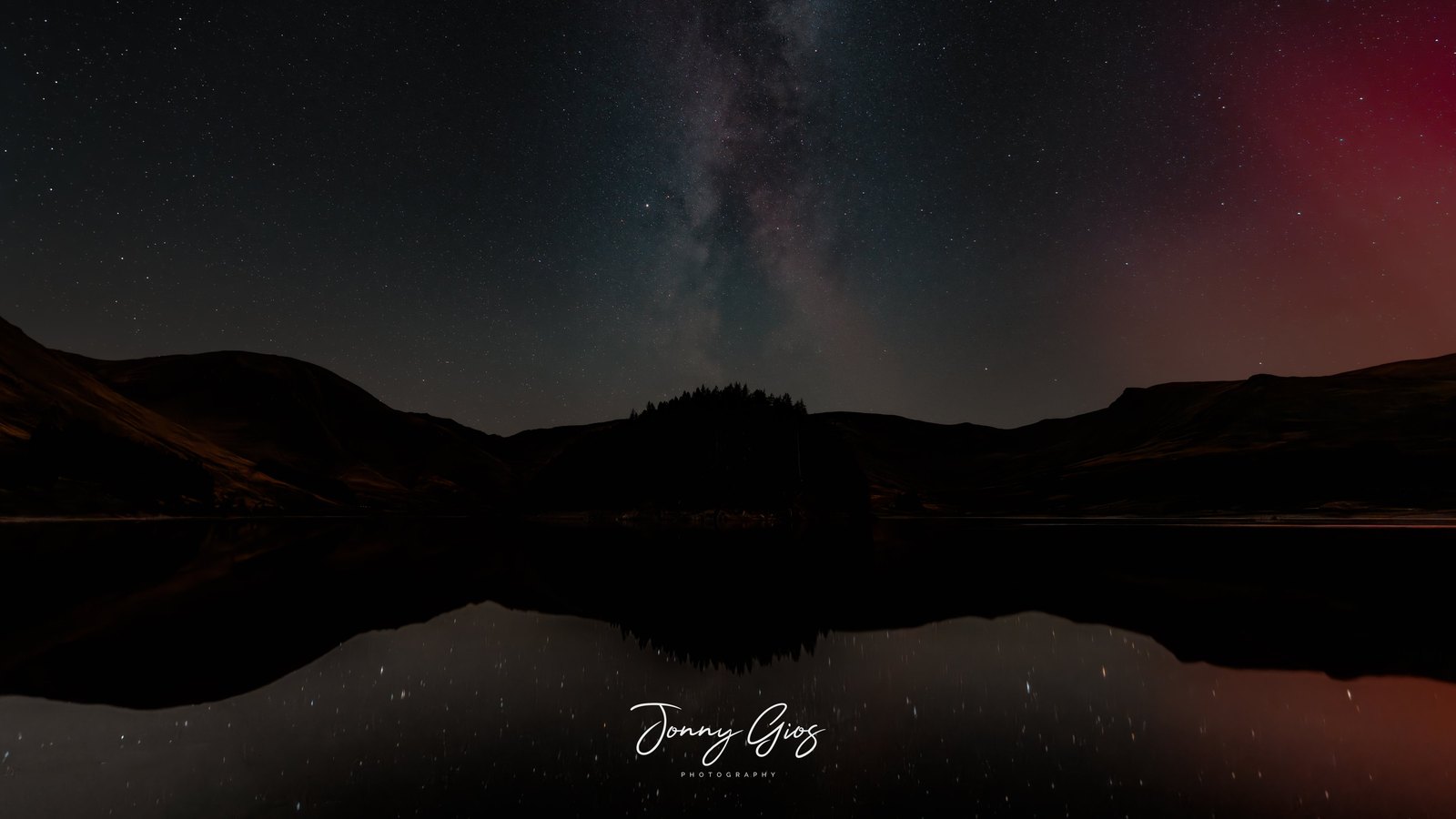
The Milky Way standing over a still lake, with a wooded island reflected in the water and a red aurora glow along the right of the sky.

The Milky Way

Our own galaxy, seen from the inside and edge on.

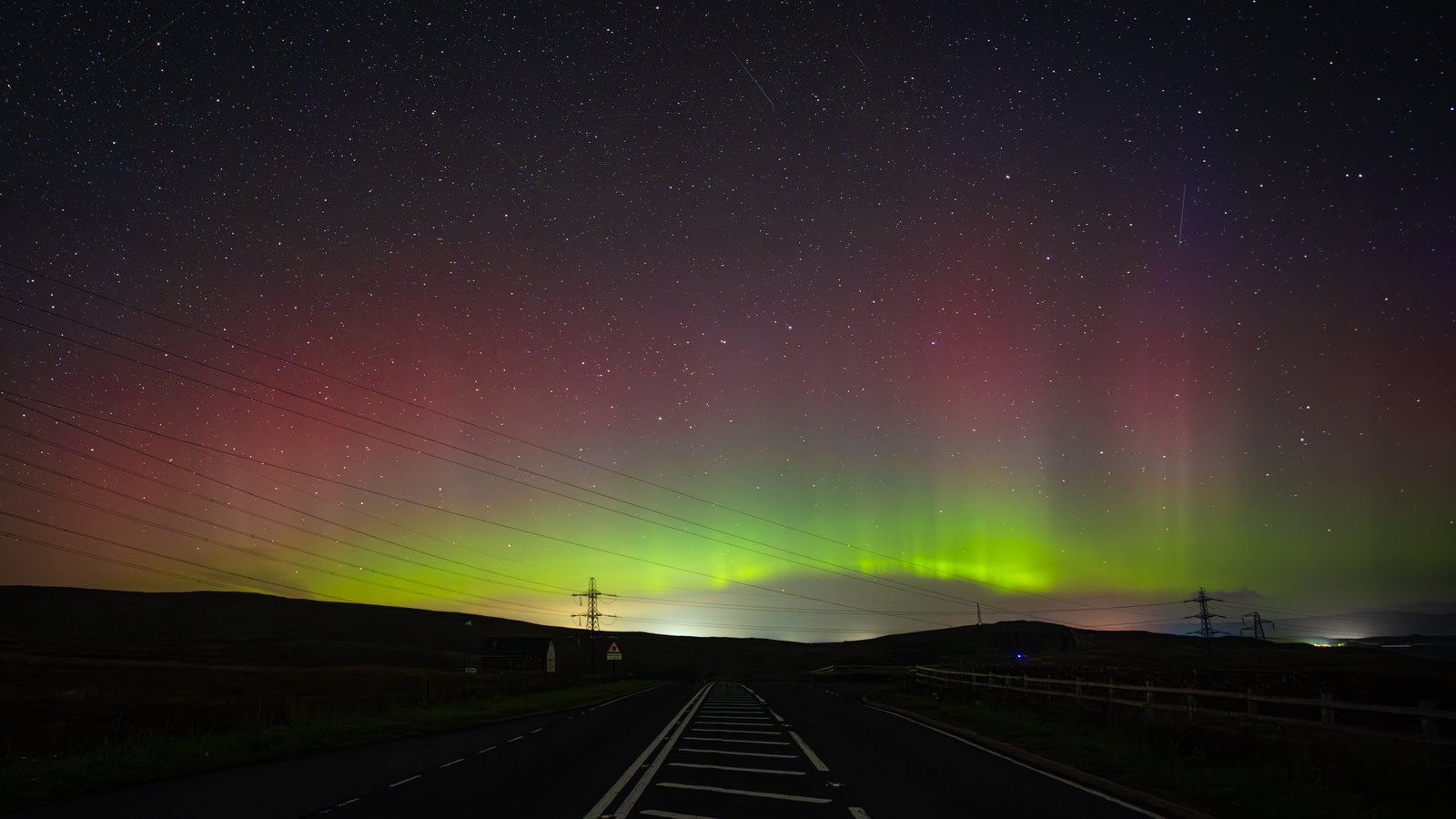
Green aurora rays with a red band above them, over a moorland road with pylons along the horizon.

The Aurora

The reason this site exists, and the only thing here you might see tonight.

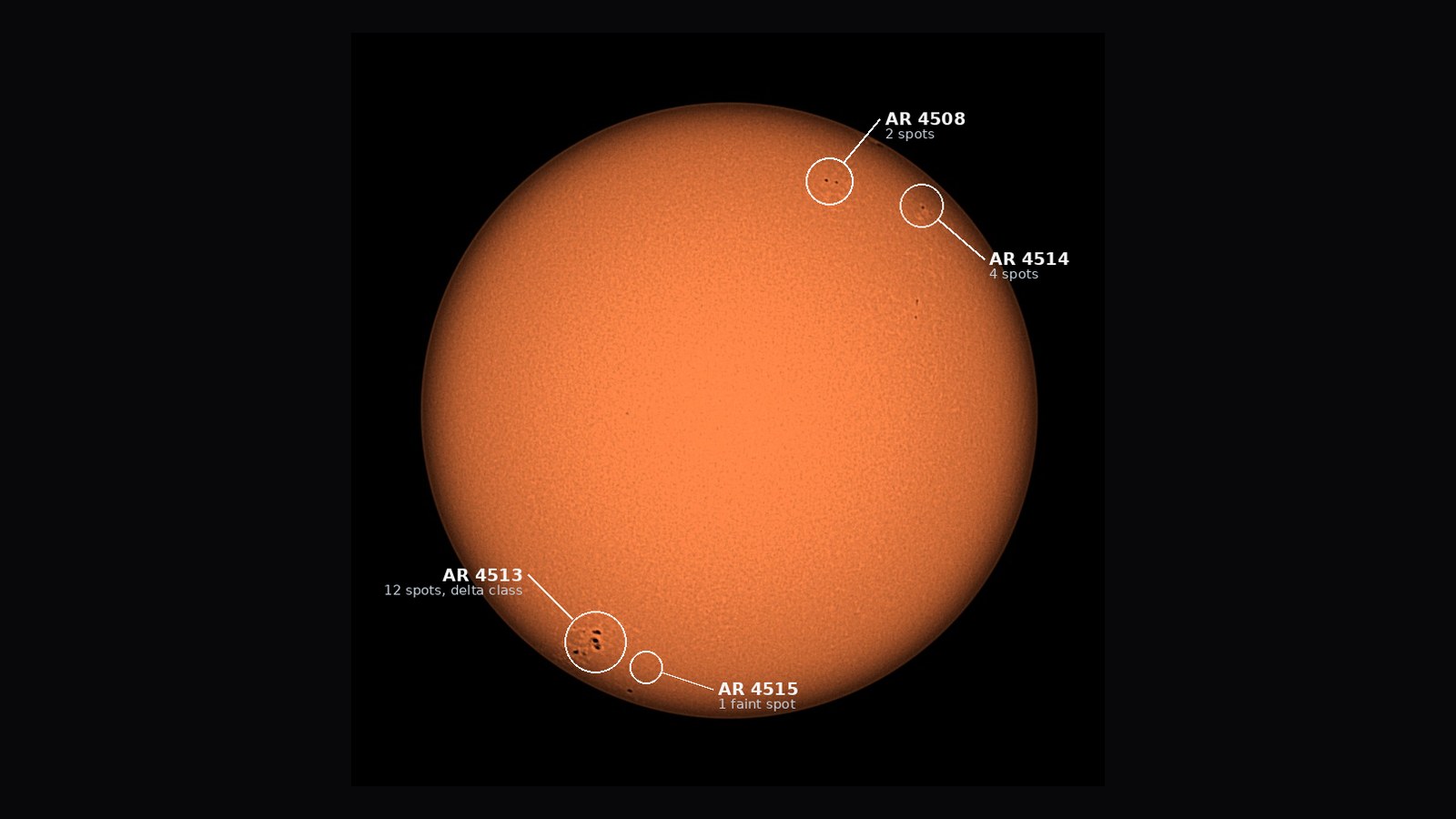
The Sun photographed through a solar filter, with four sunspot groups circled and labelled with their NOAA region numbers.

The Sun

The star everything here runs on, and the only one you can watch changing day to day.

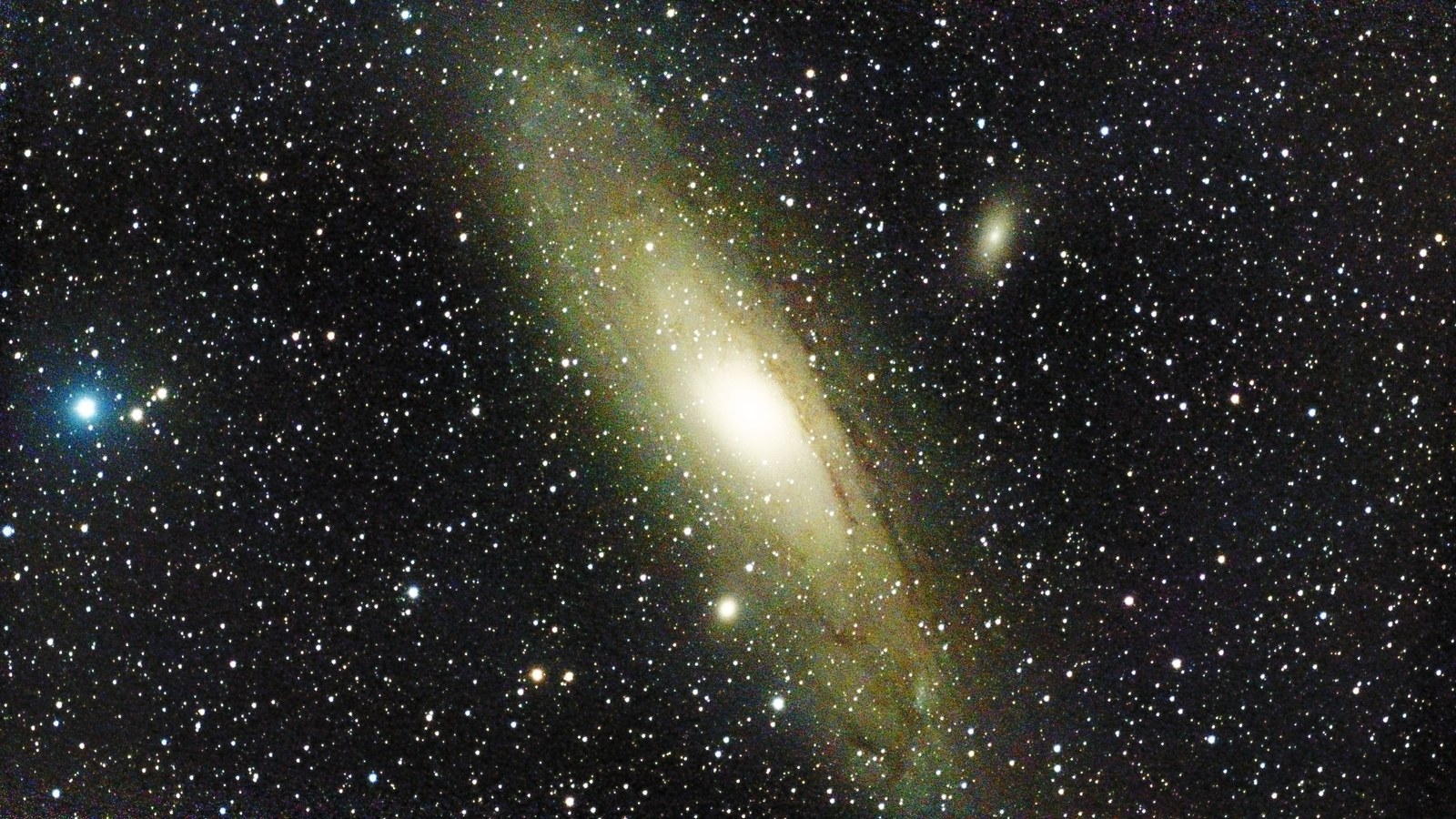
The Andromeda Galaxy, a tilted spiral with dark dust lanes across it, with its two companion galaxies visible as small ovals nearby.

The Andromeda Galaxy

The furthest thing you can see with your own eyes, and it is coming this way.

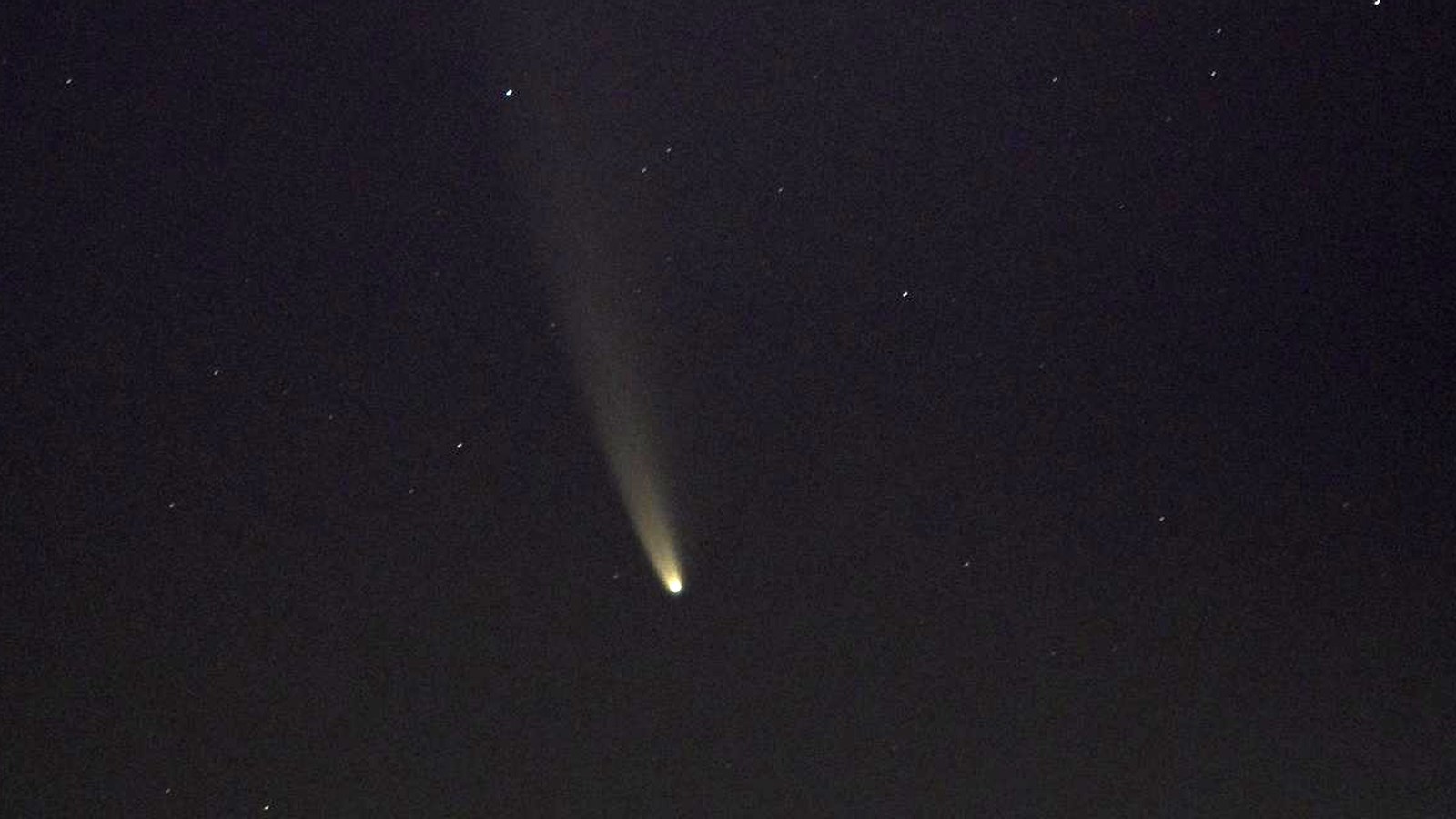
Comet NEOWISE low in a dark sky, a bright head with a long pale tail rising away from it.

Comets

Leftovers from the building of the solar system, most of them frozen solid until they come close.

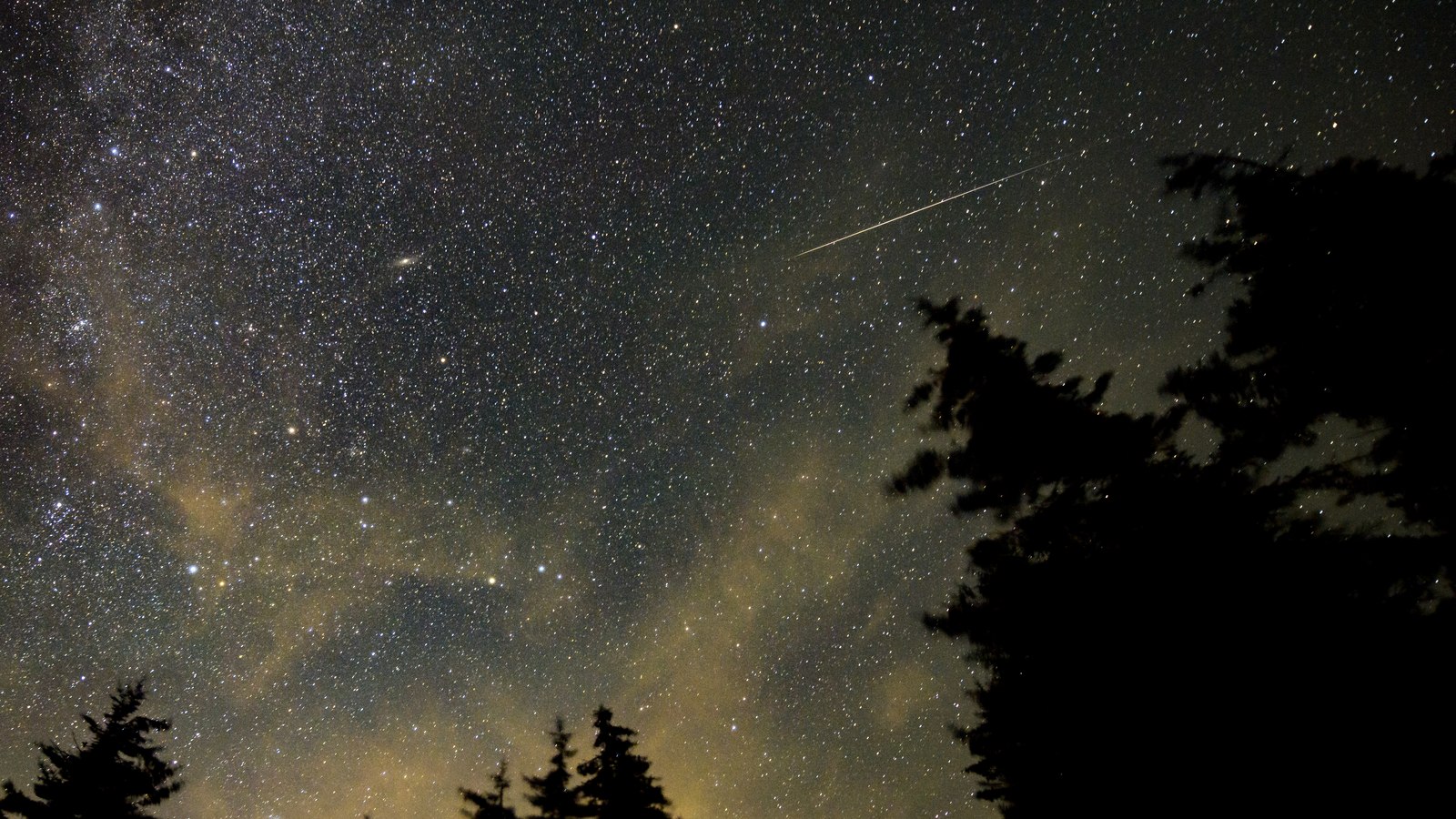
A bright Perseid meteor streaking across a star filled sky above silhouetted pine trees.

Meteor Showers

The one thing in the sky that needs no equipment at all, and the easiest night out here.

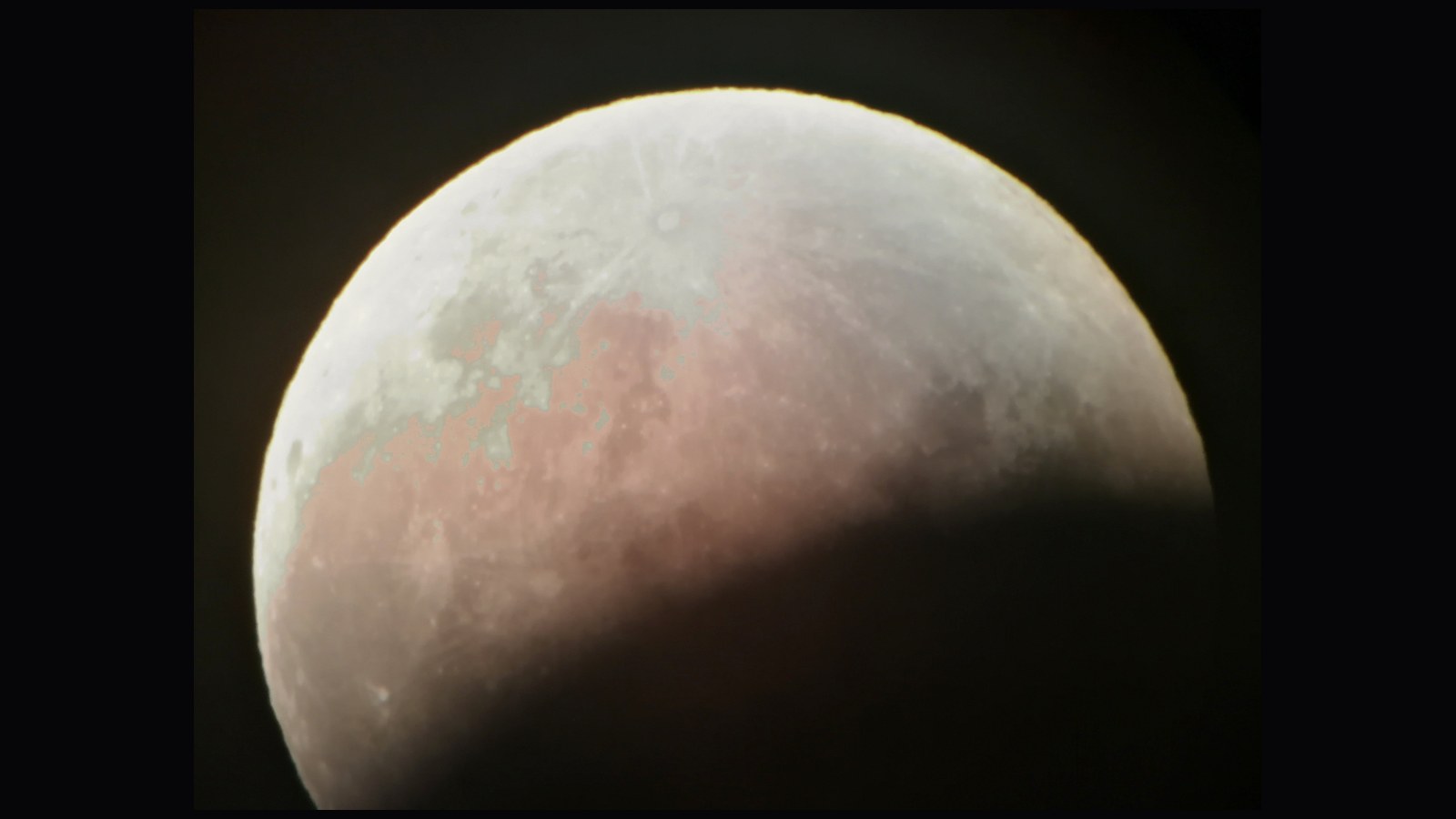
The Moon during the partial lunar eclipse of 16 July 2019, the Earth’s shadow lying as a soft dark curve across the lower part of the disc.

The Moon

The one thing here you can see from a lit street, and the best first night anybody has.

Comets and meteor showers are still to be written. Each entry is written from scratch rather than copied, so they arrive a few at a time.